

The Edison Way: Education as Unique as Our Learners
The Selfless Hearts Shaping Our Kids
Sometimes I wish time travel were real. If it were, I’d go back and visit every teacher I “tormented” (or, more accurately, learned from) as a kid. Back then, I just wanted to survive the class and move on. I had no idea how deeply they would shape me decades later.
Now, as I approach 30 years in education, I find myself longing to thank them—not just for the academic lessons, but for the ones that built my character. Teachers have a unique power. Next to parents, few adults influence a child’s future more profoundly. The best educators pour their hearts into other people’s children every single day, driven by a quiet belief in each student’s potential.
Teaching means facing challenges, setbacks, and sometimes even ridicule with grace and dignity. It requires selflessness, humility, and a passion that goes far beyond a paycheck. Great teachers give pieces of themselves, so their students can become their best.
Over my career, I’ve been fortunate to work alongside many outstanding educators. But the team I’m privileged to lead right now is truly extraordinary. They don’t just show up—they fully embrace Edison’s mission and core values while modeling what it means to be an ideal team player.
Every day, I watch them patiently guide students through difficult moments with calm and compassionate care. They arrive each morning committed to transforming young lives, one interaction at a time. This week is Teacher Appreciation Week, and it feels especially meaningful. While I deeply appreciate everything they do for Edison’s students, I am equally inspired by them.

To every teacher reading this, thank you. Your work matters more than you know. The seeds you plant today will bear fruit for generations.
From Fear to a Window Seat: Helping Kids Embrace Challenges
Recently, I had the privilege of taking a group of Edison’s high school students on a multi-night trip to Washington, D.C. For many of them, it was their first time on an airplane and their first extended time away from family. The emotional roller-coaster was real: fear and anxiety mixed with excitement, joy, and pure enthusiasm.

The trip pushed our students in multiple ways, being away from home, trying things they had never done before, and confronting difficult moments in our nation’s history. This trip wasn’t easy, but as President John F. Kennedy famously said when he spoke at Rice University about the moon landing, “We choose to go to the moon... and do the other things, not because they are easy, but because they are hard.”
As educators, part of our responsibility is to challenge young people. Of course, we want to protect them, but protection should never become a barrier that keeps them from stretching, trying, and growing. Real development happens when we step into the unfamiliar.
One of my favorite quotes captures this truth beautifully. Max DePree said, “In the end, it is important to remember that we cannot become what we need to be by remaining what we are.” Growth requires facing new and sometimes uncomfortable situations. Each time we navigate challenges successfully, we build resilience. The more we do this, the more natural it feels—and the bolder we become in seeking our next opportunity for growth.
It falls to the adults in a child’s life—parents, teachers, and leaders—to see their potential and gently but firmly push them toward it. When we consistently shield them from difficulty or let them avoid hard things, we unintentionally limit their potential. In doing this, we risk raising children who remain children in adult bodies.
I know this can be tough. Kids push back with familiar refrains: “I can’t do it.” Or. “It’s too hard.” The temptation to rescue them in these moments is great. But standing alongside them—offering guidance, reassurance, and presence—gives them something even more valuable: a sense of security knowing someone who has walked this path before cares deeply about their success. When they reach the other side, the pride and confidence they feel prepare them for even bigger challenges ahead.

A powerful example from our D.C. trip was a young lady who had never flown before. She desperately wanted to join us but was scared of flying. On the first flight, she sat in the middle seat between me and another chaperone. Takeoff and landing were the hardest parts for her. Yet by the time we reached our gate at Reagan National, she was already talking about wanting to fly again. On the return flight, she specifically asked for a window seat so she could look out and take in the view.
By encouraging her to face her fear, offering calm reassurance, and simply being there with her, we helped her turn something daunting into a rewarding triumph. That’s the kind of growth we want for all our students.
Control-centered or Learning-centered Classrooms
I believe there are two main types of classrooms in modern education…a control-centered classroom and a learning-centered classroom. The differences between these are stark!
Control-Centered Classroom
• Power – “obey me”
• Authority based
• Structure is the priority (standards, schedule, quiet, clean room)
• Order is key
• Learning to meet standards
• Teach the subject
• The group matters
• Do it the teacher’s way
• Strict atmosphere
• Routine is the goal
• Rigid
• Students adjust to the teacher
• Correction
• “Watch me and listen to me”
• Child is sacrificed to preserve order

Learning-Centered Classroom
• Persuade – “follow me”
• Relationship based
• Student is the priority (progress, growth, support)
• Results matter
• Learning to grow as a whole person
• Teach children
• Individuals matter
• Relaxed atmosphere
• Routine is a tool
• Flexible
• Teacher adjusts to meet the child’s needs
• Connection
• “I see you and hear you”
• Order is sacrificed to save the child
What type of classroom do you have? At The Edison School, we create learning-centered classrooms.
Building the Right Team at Edison
As a new, young leader, I had an overinflated view of my importance to my team. I believed that if I was out, things wouldn't run as smoothly. Naively, I thought that was how leadership was supposed to look. The leader was the north star and without him the team would lose its way.
It took years of growth for me to realize that if I have the right people and lead them well, they will be just as effective without me as they are with me.
Whether you are a sports coach, leader of an organization, or administrator of a school, one of your most difficult tasks will be to assemble a strong, effective team. This is NOT an easy thing to do for several reasons. Not the least of which is because you are going to ask a group of people to work toward a goal that is bigger than each of them. In other words, they must be willing to put aside self-promotion and focus on what is best for the organization.
Throughout my career in education, I have worked with several teams, many of which I assembled. At the time, I thought they were strong and effective. Unfortunately, that wasn't always true. In fact, many of the teams I assembled had major weaknesses with personnel that I had to address for the sake of the school.
The longer I lead, the more I believe Patrick Lencioni when he says most “firing problems” are actually hiring problems. In my own words, it is because I failed to accurately assess whether the person truly aligns with the school's core values.
As a result, Edison's hiring process has evolved every year since I took the helm in 2018. Today, the process involves several members of the current team, and every step is designed to assess a candidate's alignment with Edison's mission, values, and culture.
In addition, we introduce candidates to the virtues we believe make an ideal Edison team player: humble, hungry, and smart — principles taken from Patrick Lencioni's book “The Ideal Team Player.” Our improved hiring process has allowed us to bring incredible educators who are fully committed to what we are building. Understanding our values, mission, and expectations allows each person to focus their energy on helping each other and helping each child reach his/her potential.
Being a small school — 16 total employees, including me, each member of the team has multiple roles to fill. Which means, when one person is absent, the impact is felt immediately. In these instances, if a team member is misaligned, the strain on the rest of the team can be significant. Times like these test the character and strength of the team.
Recently, the Edison team was tested unlike any other time in my eight years as Head of School, and they demonstrated why they are the best team I have ever had the privilege of working with.
The test came while I was attending the NAIS Thrive 26 conference in Seattle. Two of our teachers were out due to family matters. During the week, two more got sick and ended up being out. That meant about one-third of our team was out during this week. With many of the teams I've worked with during my career, situations like this would have triggered calls for me to close the school.
But NOT this team!

The rest of this team stepped in wherever they were needed. They covered classes, adjusted schedules, and supported each other to make sure our students continued to be served well.
I had confidence that this team could handle any situation that arose in my absence, and they proved it!
One of my goals as Edison's leader is simple: I cannot become so important to Edison that the team cannot overcome challenges without me.
When you build the right team, leading is not about being indispensable. It is about creating a group of people who are strong enough to succeed even when the leader is away.
Kindness over Niceness
In the first team meeting of every season, regardless of the sport, when I was growing up, my coaches would always share with the parents and players their strategy for the upcoming season. They wanted us to understand the plan so we could work toward a common goal, usually to win a championship. Now, as a coach, I prepare my team’s strategy and present it to them at the beginning of a season. I want them to buy into the strategy so we can be the best we are capable of that season. Having a strategy is vital for athletic teams to be successful and reach their potential. The same is true for organizations like The Edison School.
About a year ago, I worked with a couple members of Edison’s administrative team to develop the strategy that we believe is setting us up to impact kids and their families for years to come. There are three parts to Edison’s strategy that compliment our core values and help us live out our mission to foster a community of connection and dignity, ensuring every child receives the unique support they need to thrive.
We partner with parents – parents know their kids better than anyone, and we are intentional about our role in the lives of their child. We know parents are the driving force in their child’s education, and we want to come alongside them to help their child grow and reach their potential. One thing we do to partner with parents is have them fill out a form at the start of a school year that asks a guiding question…”What should education as unique as your child look like?” The answer to this question drives our partnership for the sake of their child.
2. We prefer kindness over niceness – kindness comes from a place of care and concern for the well-being and personal growth of someone else. Kindness requires the courage to have honest and often difficult conversations with others to help them become their best. Niceness avoids difficult conversations because they make us uncomfortable. At Edison, we would rather get uncomfortable with each other because it makes us better.
3. We treat everyone with dignity – A child’s value is not based on what he/she does, the grades they earn, how well-behaved they are, or what they can do for us. Their value and worth are inherent by the simple fact that they are alive, and every human deserves to be loved, seen, and cared for.
This three-part strategy is simple and intentional, allowing Edison to transform the lives of our students and their families.
Cultivate an Exponential Impact
1992 was the year I began my career in education, and at the time I didn’t think about the long-term impact I might have on my kids. I started as a physical education teacher, so I taught fitness, sports, winning and losing, and having fun. I tried to teach good sportsmanship and character. I wanted them to be good kids who were well-rounded. I talked about doing the right thing and being a good example for others. But I don’t remember thinking about how those kids would one day become teachers, business professionals, leaders, parents, etc.
Over thirty years later as an administrator, I am still preparing kids for life, but now I am intentionally thinking about their future roles and the impact they will have on the world. It seems as I get older, the more focused I am on teaching kids to do the right thing, develop good character, be selfless, and work hard. While I may not be the person directly teaching these things to kids at The Edison School, I am talking about them with my team and reminding them to teach these to our students. All of this can be summed up in our third core value – cultivate an exponential impact.
What we mean by cultivating an exponential impact is that we teach life skills, character development, and we are focused on the whole child. When we do this with excellence, we transform the lives of our kids and their families. We talk to them about their future and remind them that they will one day have an opportunity to lead, teach, and be parents, which means they will be making an impact on other people’s lives. As a team, we cannot transform every child’s life, but we can transform the lives of those who enroll at Edison. In turn, we want them to think about how they can transform the lives of people they encounter after leaving Edison.

We have found that this core value is a result of consistently living out our other two core values, creating meaningful connections and striving for excellence. When you have strong connections with kids and are pushing them to be their best, they will have real-life examples of impact that they can turn to for the rest of their lives.
Striving for Excellence

This has been an especially hard week for middle Tennesseans, and the south in general, because of an ice storm that came through last weekend. People have been without power for days. Businesses and schools have been closed. Trees have fallen and caused damage. My guess is a lot of people are experiencing cabin fever since getting out has been tough. What we witnessed during the aftermath of this storm have been people needing to display character traits like flexibility and grit. These are two traits that we at Edison believe help make up our second core value.
Striving for excellence – this does not mean perfection; rather, we believe it means consistent growth and improvement that requires the living out of specific character traits by everyone on our team.
1) Being faithful in the little things – our team is consistent and diligent in unassuming, everyday tasks with our kids.
2) Having the humility to pursue personal growth – members of the Edison team understand the importance of constant personal growth. Personal growth is not just attending classes, or reading journals, it also happens when we talk with each other about situations we are facing. No one on the team thinks they are too good to learn from others and improve.
3) Having grit and persistence – we have a team of people who face challenges daily and push through these for the benefit of our kids, each other, and the entire school.
4) The flexibility to adapt to ever-changing situations – at Edison, no two days are the same. All of our kids learn differently, so our team must adapt. Kids come in each day with something new or different that forces our team to remain flexible in the way we meet the needs of each child.
Striving for excellence is the core value that reminds everyone on Edison’s team that we will not settle for mediocrity, and that we are constantly looking for ways to improve.
Building Life-Changing Connections

Do you remember what it was like when you first met someone that you wanted to get to know better? What did it take for you to develop a connection with them? Was it worth the effort and time?
I think everyone desires deep, meaningful connections with other people. At The Edison School, creating meaningful connections is one of our core values, and it drives our team’s daily interactions with students enrolled at the school. Due to the varied diagnoses our students have, Edison’s team is challenged to find ways to connect with each kid. We do not let these challenges stop us from working day-in and day-out to create meaningful connections. Rather, we focus on four strategies with each child.
1. Seek first to understand – for those familiar with Stephen Covey’s book “The 7 Habits of Highly Effective People”, you will recognize this as part of one of the habits Covey discusses. The Edison team desires to understand each of our kids, so we spend a lot of time interacting with and observing them in a variety of activities. This helps us understand them better.
2. Develop trust through vulnerability – Edison’s team of educators have years of experience, which means we have all made mistakes. Sharing our personal stories with students and admitting to them when we screw up, shows our vulnerability and humanness. This helps build trust with the kids. Trust based on vulnerability creates an authentic, safe environment for every child.
3. Open and honest communication – without communication, relationships fail and connections cannot be developed. Prioritizing open and honest communication with our kids sometimes means that we have difficult conversations with them. This type of communication must come from a place of love and desire to help them become their best.
4. Active listening – making our kids feel heard, valued, and understood fosters trust and stronger bonds with them, resulting in meaningful connections.
Everyone wants a connection with others. Everyone wants to be understood and valued. At Edison, creating meaningful connections is one of our core values because we know that strong connections with trusted adults can change the trajectory of a child’s life!
The Edison Way: Education as Unique as Our Learners

Each year as our calendars roll over from December 31st to January 1st, we are given an opportunity to reflect on the past year while looking forward to the new year with anticipation and excitement. Over the past few days, I have spent a lot of time reflecting on the history of The Edison School. Understanding the school’s past allows us to move forward into a new year with a renewed sense of purpose and clarity as we seek to make the most of 2026.
Founded in 2012 by a group who believed that every child—regardless of diagnosis—deserves to be treated with dignity and receive a great education, our school was built on a simple but powerful promise: Education as unique as our learners.
This is our “why!”
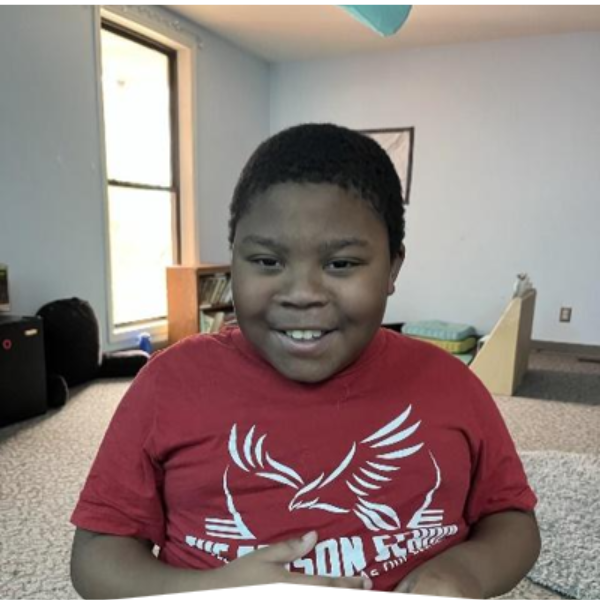
Our mission is to foster a community of connection and dignity, ensuring every child receives the unique support they need to thrive. In addition to this mission, we have a set of core values that every member of Edison’s team lives out daily.
1. Create meaningful connections – seek first to understand others, develop trust through vulnerability, open & honest communication, and active listening.
2. Strive for excellence – faithful in the little things, passion, grit, flexibility, and continuous growth.
3. Cultivate an exponential impact – transform the trajectory of life for the child and family, character development, whole child education, and life skills.
Over the course of the next several weeks, I will dive deeper into these values and the specific strategies we use to make them a reality at The Edison School. I am excited and honored to be on this journey with you.