
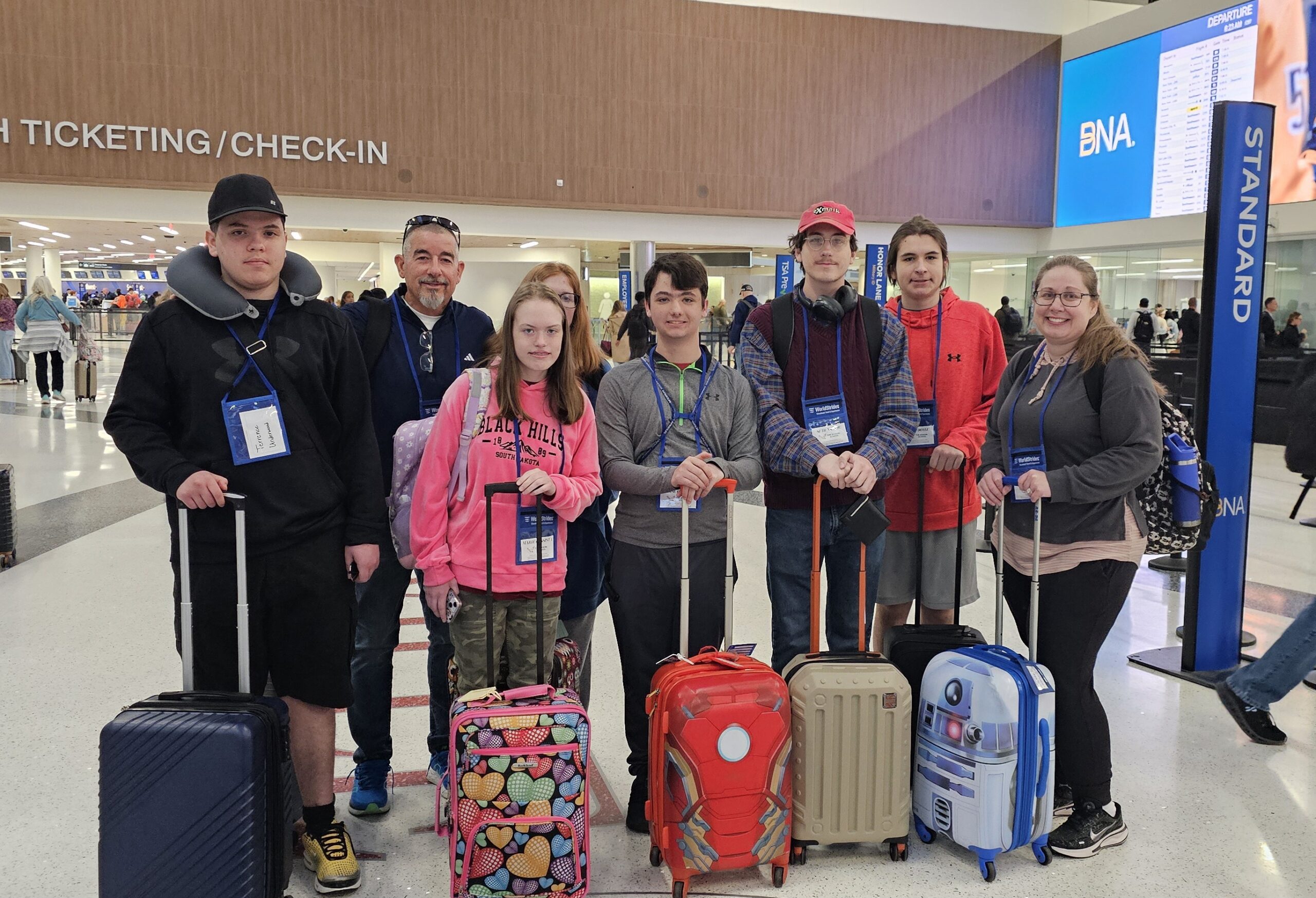
Recently, I had the privilege of taking a group of Edison’s high school students on a multi-night trip to Washington, D.C. For many of them, it was their first time on an airplane and their first extended time away from family. The emotional roller-coaster was real: fear and anxiety mixed with excitement, joy, and pure enthusiasm.
The trip pushed our students in multiple ways, being away from home, trying things they had never done before, and confronting difficult moments in our nation’s history. This trip wasn’t easy, but as President John F. Kennedy famously said when he spoke at Rice University about the moon landing, “We choose to go to the moon… and do the other things, not because they are easy, but because they are hard.”
As educators, part of our responsibility is to challenge young people. Of course, we want to protect them, but protection should never become a barrier that keeps them from stretching, trying, and growing. Real development happens when we step into the unfamiliar.
One of my favorite quotes captures this truth beautifully. Max DePree said, “In the end, it is important to remember that we cannot become what we need to be by remaining what we are.” Growth requires facing new and sometimes uncomfortable situations. Each time we navigate challenges successfully, we build resilience. The more we do this, the more natural it feels—and the bolder we become in seeking our next opportunity for growth.
It falls to the adults in a child’s life—parents, teachers, and leaders—to see their potential and gently but firmly push them toward it. When we consistently shield them from difficulty or let them avoid hard things, we unintentionally limit their potential. In doing this, we risk raising children who remain children in adult bodies.
I know this can be tough. Kids push back with familiar refrains: “I can’t do it.” Or. “It’s too hard.” The temptation to rescue them in these moments is great. But standing alongside them—offering guidance, reassurance, and presence—gives them something even more valuable: a sense of security knowing someone who has walked this path before cares deeply about their success. When they reach the other side, the pride and confidence they feel prepare them for even bigger challenges ahead.
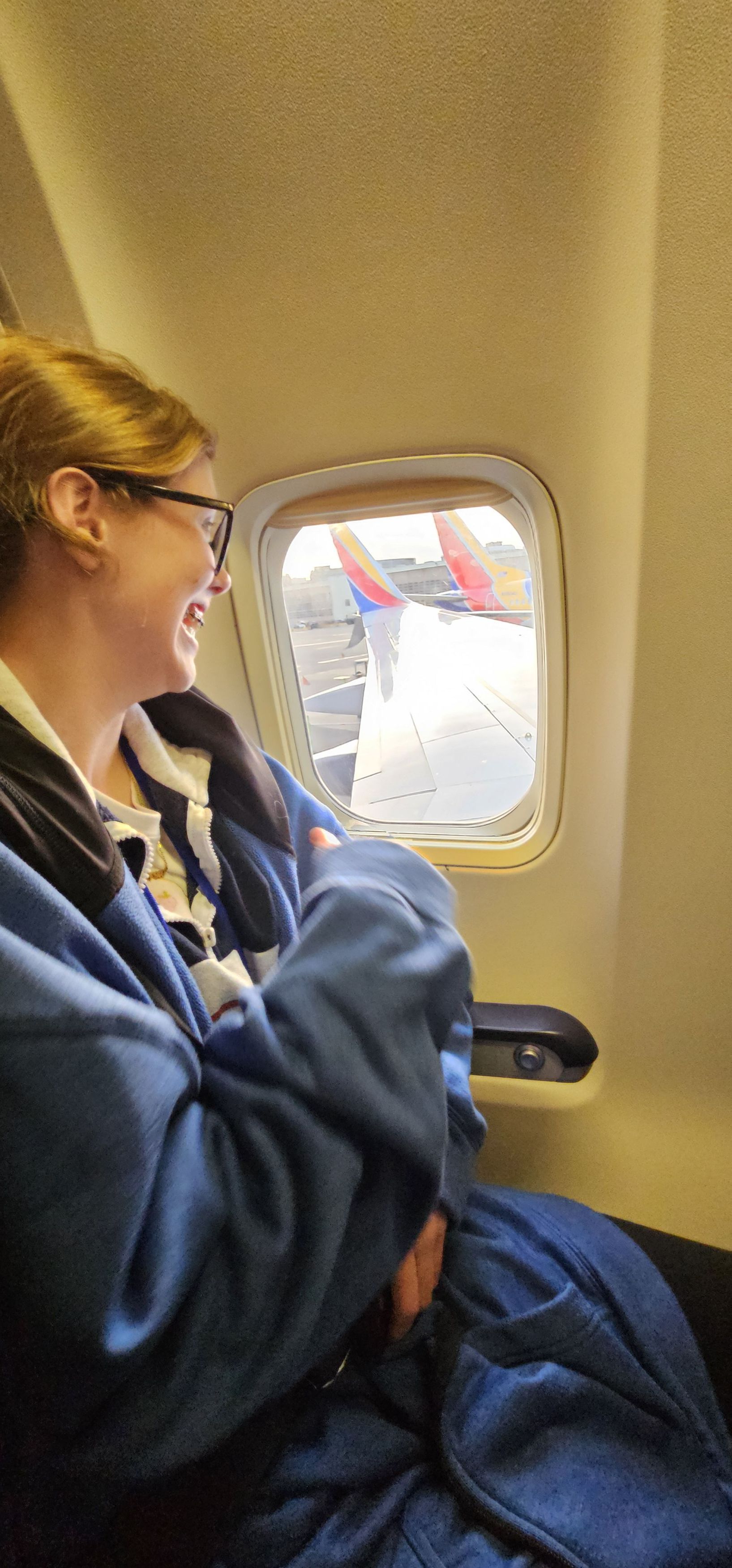
A powerful example from our D.C. trip was a young lady who had never flown before. She desperately wanted to join us but was scared of flying. On the first flight, she sat in the middle seat between me and another chaperone. Takeoff and landing were the hardest parts for her. Yet by the time we reached our gate at Reagan National, she was already talking about wanting to fly again. On the return flight, she specifically asked for a window seat so she could look out and take in the view.
By encouraging her to face her fear, offering calm reassurance, and simply being there with her, we helped her turn something daunting into a rewarding triumph. That’s the kind of growth we want for all our students.