

Skip Navigation

The Edison Way: Education as Unique as Our Learners

Posts Tagged "relationships"

After Eight Years: The End of An Era at Edison

May 19, 2026
By Jon Wilson

After eight years, an era has officially come to an end. Gabe and Seth, the two longest-enrolled students at The Edison School, have graduated from high school.

The reality hit me last week as I surveyed the parking lot and noticed their cars were missing. For a moment, I stood there and let our eight-year journey flash before me.

I was fortunate to have a front-row seat to their lives. When they enrolled in the 2018–2019 school year—my first year at Edison—they were little, wide-eyed boys, unsure of themselves and wary of another new school. Hurt by adults before, they kept their guard up, quietly testing whether Edison could be trusted.

That first year was full of trying to figure each other out. Many of the teachers they started with have since moved on, but in recent years they’ve enjoyed rare stability with the same educators pouring into their lives. That consistency helped them with their academics, but more importantly, it gave them space to learn about character, resilience, and friendship.

I’ve watched them struggle to make connections, only to build a deep, abiding brotherhood with each other. I’ve seen them slowly lower their walls and share struggles they once kept hidden. They’ve patiently endured my many “lectures” about life, leadership, and character. Of course, they also loved the day I was their homeroom teacher and butchered a word in our quote of the day. Seth instantly caught the mistake and made sure to share it with Gabe in our Google Classroom. That one error has been a running joke they have enjoyed for years. 


This year, the three of us met regularly to talk about what comes after Edison— my beliefs on leadership, keeping your word, why character matters more than reputation, and what I believe is the surest path to a fulfilled life: choosing to serve others. Legacy has been a buzzword for the past several years, so we even discussed that and how it tends to take care of itself when you consistently do the right thing.

Eight years felt far too short. Gabe and Seth have transformed from those hesitant little boys into confident young men ready to make their mark on the world. One message I often repeat was this: always leave people better than you found them. They did exactly that for me. I am a better person, and a better educator, because they were part of my life. 

To their parents—thank you for trusting us with your sons. To Gabe and Seth, I am incredibly proud of you both. Remember, I’m only a phone call or text away, anytime you need anything. Thank you for an unforgettable eight years.


1 comment

The Selfless Hearts Shaping Our Kids

May 05, 2026
By Jon Wilson

Sometimes I wish time travel were real. If it were, I’d go back and visit every teacher I “tormented” (or, more accurately, learned from) as a kid. Back then, I just wanted to survive the class and move on. I had no idea how deeply they would shape me decades later.


Now, as I approach 30 years in education, I find myself longing to thank them—not just for the academic lessons, but for the ones that built my character. Teachers have a unique power. Next to parents, few adults influence a child’s future more profoundly. The best educators pour their hearts into other people’s children every single day, driven by a quiet belief in each student’s potential.


Teaching means facing challenges, setbacks, and sometimes even ridicule with grace and dignity. It requires selflessness, humility, and a passion that goes far beyond a paycheck. Great teachers give pieces of themselves, so their students can become their best. 


Over my career, I’ve been fortunate to work alongside many outstanding educators. But the team I’m privileged to lead right now is truly extraordinary. They don’t just show up—they fully embrace Edison’s mission and core values while modeling what it means to be an ideal team player.


Every day, I watch them patiently guide students through difficult moments with calm and compassionate care. They arrive each morning committed to transforming young lives, one interaction at a time. This week is Teacher Appreciation Week, and it feels especially meaningful. While I deeply appreciate everything they do for Edison’s students, I am equally inspired by them. 


To every teacher reading this, thank you. Your work matters more than you know. The seeds you plant today will bear fruit for generations.
 

From Fear to a Window Seat: Helping Kids Embrace Challenges

April 20, 2026
By Jon Wilson

Recently, I had the privilege of taking a group of Edison’s high school students on a multi-night trip to Washington, D.C. For many of them, it was their first time on an airplane and their first extended time away from family. The emotional roller-coaster was real: fear and anxiety mixed with excitement, joy, and pure enthusiasm.


The trip pushed our students in multiple ways, being away from home, trying things they had never done before, and confronting difficult moments in our nation’s history. This trip wasn’t easy, but as President John F. Kennedy famously said when he spoke at Rice University about the moon landing, “We choose to go to the moon... and do the other things, not because they are easy, but because they are hard.”


As educators, part of our responsibility is to challenge young people. Of course, we want to protect them, but protection should never become a barrier that keeps them from stretching, trying, and growing. Real development happens when we step into the unfamiliar.


One of my favorite quotes captures this truth beautifully. Max DePree said, “In the end, it is important to remember that we cannot become what we need to be by remaining what we are.” Growth requires facing new and sometimes uncomfortable situations. Each time we navigate challenges successfully, we build resilience. The more we do this, the more natural it feels—and the bolder we become in seeking our next opportunity for growth.


It falls to the adults in a child’s life—parents, teachers, and leaders—to see their potential and gently but firmly push them toward it. When we consistently shield them from difficulty or let them avoid hard things, we unintentionally limit their potential. In doing this, we risk raising children who remain children in adult bodies.


I know this can be tough. Kids push back with familiar refrains: “I can’t do it.” Or. “It’s too hard.” The temptation to rescue them in these moments is great. But standing alongside them—offering guidance, reassurance, and presence—gives them something even more valuable: a sense of security knowing someone who has walked this path before cares deeply about their success. When they reach the other side, the pride and confidence they feel prepare them for even bigger challenges ahead.


A powerful example from our D.C. trip was a young lady who had never flown before. She desperately wanted to join us but was scared of flying. On the first flight, she sat in the middle seat between me and another chaperone. Takeoff and landing were the hardest parts for her. Yet by the time we reached our gate at Reagan National, she was already talking about wanting to fly again. On the return flight, she specifically asked for a window seat so she could look out and take in the view.


By encouraging her to face her fear, offering calm reassurance, and simply being there with her, we helped her turn something daunting into a rewarding triumph. That’s the kind of growth we want for all our students.
 

Building the Right Team at Edison

March 09, 2026
By Jon Wilson

As a new, young leader, I had an overinflated view of my importance to my team. I believed that if I was out, things wouldn't run as smoothly. Naively, I thought that was how leadership was supposed to look. The leader was the north star and without him the team would lose its way.

It took years of growth for me to realize that if I have the right people and lead them well, they will be just as effective without me as they are with me.

Whether you are a sports coach, leader of an organization, or administrator of a school, one of your most difficult tasks will be to assemble a strong, effective team. This is NOT an easy thing to do for several reasons. Not the least of which is because you are going to ask a group of people to work toward a goal that is bigger than each of them. In other words, they must be willing to put aside self-promotion and focus on what is best for the organization. 

Throughout my career in education, I have worked with several teams, many of which I assembled. At the time, I thought they were strong and effective. Unfortunately, that wasn't always true. In fact, many of the teams I assembled had major weaknesses with personnel that I had to address for the sake of the school. 

The longer I lead, the more I believe Patrick Lencioni when he says most “firing problems” are actually hiring problems. In my own words, it is because I failed to accurately assess whether the person truly aligns with the school's core values. 

As a result, Edison's hiring process has evolved every year since I took the helm in 2018. Today, the process involves several members of the current team, and every step is designed to assess a candidate's alignment with Edison's mission, values, and culture. 

In addition, we introduce candidates to the virtues we believe make an ideal Edison team player: humble, hungry, and smart — principles taken from Patrick Lencioni's book “The Ideal Team Player.” Our improved hiring process has allowed us to bring incredible educators who are fully committed to what we are building. Understanding our values, mission, and expectations allows each person to focus their energy on helping each other and helping each child reach his/her potential. 

Being a small school — 16 total employees, including me, each member of the team has multiple roles to fill. Which means, when one person is absent, the impact is felt immediately. In these instances, if a team member is misaligned, the strain on the rest of the team can be significant. Times like these test the character and strength of the team. 

Recently, the Edison team was tested unlike any other time in my eight years as Head of School, and they demonstrated why they are the best team I have ever had the privilege of working with. 

The test came while I was attending the NAIS Thrive 26 conference in Seattle. Two of our teachers were out due to family matters. During the week, two more got sick and ended up being out. That meant about one-third of our team was out during this week. With many of the teams I've worked with during my career, situations like this would have triggered calls for me to close the school. 

But NOT this team!

The rest of this team stepped in wherever they were needed. They covered classes, adjusted schedules, and supported each other to make sure our students continued to be served well. 

I had confidence that this team could handle any situation that arose in my absence, and they proved it!

One of my goals as Edison's leader is simple: I cannot become so important to Edison that the team cannot overcome challenges without me. 

When you build the right team, leading is not about being indispensable. It is about creating a group of people who are strong enough to succeed even when the leader is away. 


Proud Moment at Edison

February 25, 2026
By Jon Wilson

More than anything, I see myself as a life coach to the kids enrolled at The Edison School. There is so much they need to know about life before they leave, and as I frequently remind them, “my time with you is limited.”


This past Sunday, I had the opportunity to accompany four of our high school students to an awards luncheon hosted by another non-profit in our area. These are the four oldest students at Edison and have heard more of my life lesson talks than anyone else, so it was a chance to see if they could apply what they were taught. 


I was NOT disappointed! They made me very proud!


The students cleaned up well and dressed handsomely for the event. Many of the things we talked about over the years were displayed by each of these young people, but my favorite was the fact that none of them got on their phones during the entire event. They remained engaged in conversation with each other and listened to the presentations attentively because they were not distracted by their phones. The best part of this lesson was that I did not have to remind them about it. 


When we take time and are intentional to teach young people life lessons, they will get it. It is not just our words that teach these lessons, but our actions as well. We must be careful to talk about these and set the right example consistently. They are watching, even when we think they are not. 
 

Striving for Excellence

January 28, 2026
By Jon Wilson

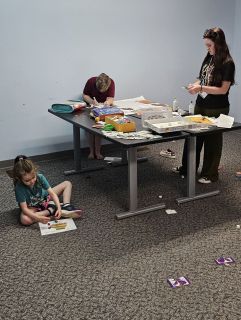
This has been an especially hard week for middle Tennesseans, and the south in general, because of an ice storm that came through last weekend. People have been without power for days. Businesses and schools have been closed. Trees have fallen and caused damage. My guess is a lot of people are experiencing cabin fever since getting out has been tough. What we witnessed during the aftermath of this storm have been people needing to display character traits like flexibility and grit. These are two traits that we at Edison believe help make up our second core value. 
Striving for excellence – this does not mean perfection; rather, we believe it means consistent growth and improvement that requires the living out of specific character traits by everyone on our team. 
1) Being faithful in the little things – our team is consistent and diligent in unassuming, everyday tasks with our kids. 
2) Having the humility to pursue personal growth – members of the Edison team understand the importance of constant personal growth. Personal growth is not just attending classes, or reading journals, it also happens when we talk with each other about situations we are facing. No one on the team thinks they are too good to learn from others and improve. 
3) Having grit and persistence – we have a team of people who face challenges daily and push through these for the benefit of our kids, each other, and the entire school. 
4) The flexibility to adapt to ever-changing situations – at Edison, no two days are the same. All of our kids learn differently, so our team must adapt. Kids come in each day with something new or different that forces our team to remain flexible in the way we meet the needs of each child. 
Striving for excellence is the core value that reminds everyone on Edison’s team that we will not settle for mediocrity, and that we are constantly looking for ways to improve. 
 

Building Life-Changing Connections

January 13, 2026
By Jon Wilson

Do you remember what it was like when you first met someone that you wanted to get to know better? What did it take for you to develop a connection with them? Was it worth the effort and time?

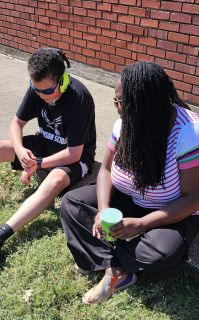
I think everyone desires deep, meaningful connections with other people.  At The Edison School, creating meaningful connections is one of our core values, and it drives our team’s daily interactions with students enrolled at the school. Due to the varied diagnoses our students have, Edison’s team is challenged to find ways to connect with each kid. We do not let these challenges stop us from working day-in and day-out to create meaningful connections. Rather, we focus on four strategies with each child.

1. Seek first to understand – for those familiar with Stephen Covey’s book “The 7 Habits of Highly Effective People”, you will recognize this as part of one of the habits Covey discusses. The Edison team desires to understand each of our kids, so we spend a lot of time interacting with and observing them in a variety of activities. This helps us understand them better. 
2. Develop trust through vulnerability – Edison’s team of educators have years of experience, which means we have all made mistakes. Sharing our personal stories with students and admitting to them when we screw up, shows our vulnerability and humanness. This helps build trust with the kids. Trust based on vulnerability creates an authentic, safe environment for every child. 
3. Open and honest communication – without communication, relationships fail and connections cannot be developed. Prioritizing open and honest communication with our kids sometimes means that we have difficult conversations with them. This type of communication must come from a place of love and desire to help them become their best. 
4. Active listening – making our kids feel heard, valued, and understood fosters trust and stronger bonds with them, resulting in meaningful connections. 

Everyone wants a connection with others. Everyone wants to be understood and valued. At Edison, creating meaningful connections is one of our core values because we know that strong connections with trusted adults can change the trajectory of a child’s life!
 

Recent Posts

5/25/26 - By Jon Wilson
5/19/26 - By Jon Wilson
5/5/26 - By Jon Wilson
4/20/26 - By Jon Wilson
3/24/26 - By Jon Wilson

Tag Cloud

communication connection connections core values dignity Edison education excellence Kindness lead learner-centered Martin Luther King mission model relationships respect why

Archives