

The Edison Way: Education as Unique as Our Learners
Posts Tagged "communication"
Proud Moment at Edison
February 25, 2026
More than anything, I see myself as a life coach to the kids enrolled at The Edison School. There is so much they need to know about life before they leave, and as I frequently remind them, “my time with you is limited.”
This past Sunday, I had the opportunity to accompany four of our high school students to an awards luncheon hosted by another non-profit in our area. These are the four oldest students at Edison and have heard more of my life lesson talks than anyone else, so it was a chance to see if they could apply what they were taught.
I was NOT disappointed! They made me very proud!

The students cleaned up well and dressed handsomely for the event. Many of the things we talked about over the years were displayed by each of these young people, but my favorite was the fact that none of them got on their phones during the entire event. They remained engaged in conversation with each other and listened to the presentations attentively because they were not distracted by their phones. The best part of this lesson was that I did not have to remind them about it.
When we take time and are intentional to teach young people life lessons, they will get it. It is not just our words that teach these lessons, but our actions as well. We must be careful to talk about these and set the right example consistently. They are watching, even when we think they are not.
Kindness over Niceness
February 17, 2026
In the first team meeting of every season, regardless of the sport, when I was growing up, my coaches would always share with the parents and players their strategy for the upcoming season. They wanted us to understand the plan so we could work toward a common goal, usually to win a championship. Now, as a coach, I prepare my team’s strategy and present it to them at the beginning of a season. I want them to buy into the strategy so we can be the best we are capable of that season. Having a strategy is vital for athletic teams to be successful and reach their potential. The same is true for organizations like The Edison School.
About a year ago, I worked with a couple members of Edison’s administrative team to develop the strategy that we believe is setting us up to impact kids and their families for years to come. There are three parts to Edison’s strategy that compliment our core values and help us live out our mission to foster a community of connection and dignity, ensuring every child receives the unique support they need to thrive.
We partner with parents – parents know their kids better than anyone, and we are intentional about our role in the lives of their child. We know parents are the driving force in their child’s education, and we want to come alongside them to help their child grow and reach their potential. One thing we do to partner with parents is have them fill out a form at the start of a school year that asks a guiding question…”What should education as unique as your child look like?” The answer to this question drives our partnership for the sake of their child.
2. We prefer kindness over niceness – kindness comes from a place of care and concern for the well-being and personal growth of someone else. Kindness requires the courage to have honest and often difficult conversations with others to help them become their best. Niceness avoids difficult conversations because they make us uncomfortable. At Edison, we would rather get uncomfortable with each other because it makes us better.
3. We treat everyone with dignity – A child’s value is not based on what he/she does, the grades they earn, how well-behaved they are, or what they can do for us. Their value and worth are inherent by the simple fact that they are alive, and every human deserves to be loved, seen, and cared for.
This three-part strategy is simple and intentional, allowing Edison to transform the lives of our students and their families.
Cultivate an Exponential Impact
February 03, 2026
1992 was the year I began my career in education, and at the time I didn’t think about the long-term impact I might have on my kids. I started as a physical education teacher, so I taught fitness, sports, winning and losing, and having fun. I tried to teach good sportsmanship and character. I wanted them to be good kids who were well-rounded. I talked about doing the right thing and being a good example for others. But I don’t remember thinking about how those kids would one day become teachers, business professionals, leaders, parents, etc.
Over thirty years later as an administrator, I am still preparing kids for life, but now I am intentionally thinking about their future roles and the impact they will have on the world. It seems as I get older, the more focused I am on teaching kids to do the right thing, develop good character, be selfless, and work hard. While I may not be the person directly teaching these things to kids at The Edison School, I am talking about them with my team and reminding them to teach these to our students. All of this can be summed up in our third core value – cultivate an exponential impact.
What we mean by cultivating an exponential impact is that we teach life skills, character development, and we are focused on the whole child. When we do this with excellence, we transform the lives of our kids and their families. We talk to them about their future and remind them that they will one day have an opportunity to lead, teach, and be parents, which means they will be making an impact on other people’s lives. As a team, we cannot transform every child’s life, but we can transform the lives of those who enroll at Edison. In turn, we want them to think about how they can transform the lives of people they encounter after leaving Edison.
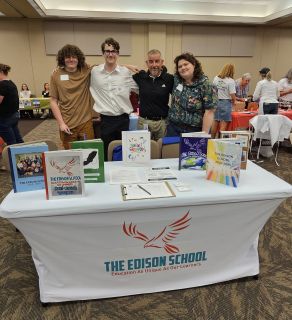
We have found that this core value is a result of consistently living out our other two core values, creating meaningful connections and striving for excellence. When you have strong connections with kids and are pushing them to be their best, they will have real-life examples of impact that they can turn to for the rest of their lives.
The High Plane of Dignity: Why Our Kids Need Us to Model MLK Jr.'s Message
January 19, 2026
As our nation pauses today to honor and celebrate the life and legacy of Dr. Martin Luther King, Jr. I fear we have lost a major part of his message…treating others with dignity and respect. Below, I present several statements (in bold italics) made by Dr. King that I believe would benefit all of us if we lived them out in our daily lives.
In the 1950's and 1960's Dr. King was the face and voice of the civil rights movement. During his famous “I Have a Dream” speech, one line stands out to me as a strategy he employed during his struggle to end racial segregation and discrimination.
“We must forever conduct our struggle on the high plane of dignity and discipline.” His belief that dignity and discipline should guide how those in the civil rights movement should act goes to the core of his message that all people are created equal and should be treated as such. Treating others with dignity is not dependent on them, it is a matter of our personal character.
“Let us not seek to satisfy our thirst for freedom by drinking from the cup of bitterness and hatred.” Unfortunately, social media is filled with these two traits. And social media is where many of our kids prefer to live right now, so they are inundated with messages of hatred and bitterness. James Baldwin said, “Children have never been very good at listening to their elders, but they have never failed to imitate them.” If Baldwin's quote is true, which I believe it is, it's easy to understand why so many of our kids are filled with hatred toward others.
“Let no man pull you so low as to hate him.” I see so many people on social media posting their hatred and vitriol toward those who hold different views/beliefs. When we post hatred, the message we are sending to our kids is that hatred is okay. Hatred brings nothing good. As for me, I choose the same as Dr. King when he said, “I have decided to stick with love. Hate is too great a burden to bear.”
“There is some good in the worst of us and some evil in the best of us. When we discover this, we are less prone to hate our enemies.” We are quick to point out the bad in others, and slow to recognize it in ourselves. When I was teaching high school history, and we were discussing the Founding Fathers of the United States, students would bring up all the bad they read about the founders, as if the bad invalidated the good they did. It was at this point that I would make the lesson personal and ask if they want to be remembered for the bad things they have done and will do in their lives.
“People fail to get along because they fear each other; they fear each other because they don't know each other; they don't know each other because they have not communicated with each other.” Lately, I have seen a lot of social media friends posting things like “unfriend me if you believe…; you are not a decent person if you like or believe…; I want nothing to do with you if you think…” These posts do not open communication; in fact, they simply drive a deeper wedge between people. When we post these, or similar statements, we tell others that their opinion/point of view is not worth my time, which means that person is not worth my time. This is not “the high plane of dignity and discipline” exhibited by Dr. King. One of the lessons my team and I are trying to teach our students at Edison is to get to know people and listen to their viewpoints. We want them to live out Stephen Covey's habit of “seek first to understand.” This lesson gets undermined when kids get on social media and see friends or family members with posts like I mentioned above.
“Love is the only force capable of transforming an enemy into a friend.” Love requires us to get to know each other and understand where the other person is coming from. We may not change someone's beliefs or views, but we can change the way we treat each other.
We, as adults, must take seriously the responsibility we have been given to lead the next generation and be good role models for them. Again, to paraphrase James Baldwin, kids may not listen to us, but they will imitate us.
So…let us give them good things to imitate. Let us return to treating each other with dignity, by taking the time to communicate with each other and truly try to understand each other's viewpoints. Let us be careful about the social media posts we make…our kids are seeing them.
Each of us must choose to return to the “high plane of dignity and discipline” for the sake of our children and posterity.
Building Life-Changing Connections
January 13, 2026
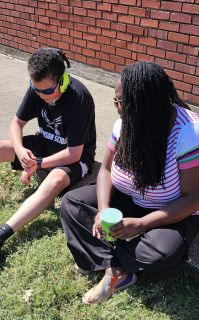
Do you remember what it was like when you first met someone that you wanted to get to know better? What did it take for you to develop a connection with them? Was it worth the effort and time?
I think everyone desires deep, meaningful connections with other people. At The Edison School, creating meaningful connections is one of our core values, and it drives our team’s daily interactions with students enrolled at the school. Due to the varied diagnoses our students have, Edison’s team is challenged to find ways to connect with each kid. We do not let these challenges stop us from working day-in and day-out to create meaningful connections. Rather, we focus on four strategies with each child.
1. Seek first to understand – for those familiar with Stephen Covey’s book “The 7 Habits of Highly Effective People”, you will recognize this as part of one of the habits Covey discusses. The Edison team desires to understand each of our kids, so we spend a lot of time interacting with and observing them in a variety of activities. This helps us understand them better.
2. Develop trust through vulnerability – Edison’s team of educators have years of experience, which means we have all made mistakes. Sharing our personal stories with students and admitting to them when we screw up, shows our vulnerability and humanness. This helps build trust with the kids. Trust based on vulnerability creates an authentic, safe environment for every child.
3. Open and honest communication – without communication, relationships fail and connections cannot be developed. Prioritizing open and honest communication with our kids sometimes means that we have difficult conversations with them. This type of communication must come from a place of love and desire to help them become their best.
4. Active listening – making our kids feel heard, valued, and understood fosters trust and stronger bonds with them, resulting in meaningful connections.
Everyone wants a connection with others. Everyone wants to be understood and valued. At Edison, creating meaningful connections is one of our core values because we know that strong connections with trusted adults can change the trajectory of a child’s life!