

Skip Navigation

The Edison Way: Education as Unique as Our Learners

Posts Tagged "connection"

The Selfless Hearts Shaping Our Kids

May 05, 2026
By Jon Wilson

Sometimes I wish time travel were real. If it were, I’d go back and visit every teacher I “tormented” (or, more accurately, learned from) as a kid. Back then, I just wanted to survive the class and move on. I had no idea how deeply they would shape me decades later.


Now, as I approach 30 years in education, I find myself longing to thank them—not just for the academic lessons, but for the ones that built my character. Teachers have a unique power. Next to parents, few adults influence a child’s future more profoundly. The best educators pour their hearts into other people’s children every single day, driven by a quiet belief in each student’s potential.


Teaching means facing challenges, setbacks, and sometimes even ridicule with grace and dignity. It requires selflessness, humility, and a passion that goes far beyond a paycheck. Great teachers give pieces of themselves, so their students can become their best. 


Over my career, I’ve been fortunate to work alongside many outstanding educators. But the team I’m privileged to lead right now is truly extraordinary. They don’t just show up—they fully embrace Edison’s mission and core values while modeling what it means to be an ideal team player.


Every day, I watch them patiently guide students through difficult moments with calm and compassionate care. They arrive each morning committed to transforming young lives, one interaction at a time. This week is Teacher Appreciation Week, and it feels especially meaningful. While I deeply appreciate everything they do for Edison’s students, I am equally inspired by them. 


To every teacher reading this, thank you. Your work matters more than you know. The seeds you plant today will bear fruit for generations.
 

From Fear to a Window Seat: Helping Kids Embrace Challenges

April 20, 2026
By Jon Wilson

Recently, I had the privilege of taking a group of Edison’s high school students on a multi-night trip to Washington, D.C. For many of them, it was their first time on an airplane and their first extended time away from family. The emotional roller-coaster was real: fear and anxiety mixed with excitement, joy, and pure enthusiasm.


The trip pushed our students in multiple ways, being away from home, trying things they had never done before, and confronting difficult moments in our nation’s history. This trip wasn’t easy, but as President John F. Kennedy famously said when he spoke at Rice University about the moon landing, “We choose to go to the moon... and do the other things, not because they are easy, but because they are hard.”


As educators, part of our responsibility is to challenge young people. Of course, we want to protect them, but protection should never become a barrier that keeps them from stretching, trying, and growing. Real development happens when we step into the unfamiliar.


One of my favorite quotes captures this truth beautifully. Max DePree said, “In the end, it is important to remember that we cannot become what we need to be by remaining what we are.” Growth requires facing new and sometimes uncomfortable situations. Each time we navigate challenges successfully, we build resilience. The more we do this, the more natural it feels—and the bolder we become in seeking our next opportunity for growth.


It falls to the adults in a child’s life—parents, teachers, and leaders—to see their potential and gently but firmly push them toward it. When we consistently shield them from difficulty or let them avoid hard things, we unintentionally limit their potential. In doing this, we risk raising children who remain children in adult bodies.


I know this can be tough. Kids push back with familiar refrains: “I can’t do it.” Or. “It’s too hard.” The temptation to rescue them in these moments is great. But standing alongside them—offering guidance, reassurance, and presence—gives them something even more valuable: a sense of security knowing someone who has walked this path before cares deeply about their success. When they reach the other side, the pride and confidence they feel prepare them for even bigger challenges ahead.


A powerful example from our D.C. trip was a young lady who had never flown before. She desperately wanted to join us but was scared of flying. On the first flight, she sat in the middle seat between me and another chaperone. Takeoff and landing were the hardest parts for her. Yet by the time we reached our gate at Reagan National, she was already talking about wanting to fly again. On the return flight, she specifically asked for a window seat so she could look out and take in the view.


By encouraging her to face her fear, offering calm reassurance, and simply being there with her, we helped her turn something daunting into a rewarding triumph. That’s the kind of growth we want for all our students.
 

Control-centered or Learning-centered Classrooms

March 24, 2026
By Jon Wilson

I believe there are two main types of classrooms in modern education…a control-centered classroom and a learning-centered classroom. The differences between these are stark!

Control-Centered Classroom 
•    Power – “obey me”
•    Authority based
•    Structure is the priority (standards, schedule, quiet, clean room)
•    Order is key
•    Learning to meet standards
•    Teach the subject
•    The group matters
•    Do it the teacher’s way
•    Strict atmosphere
•    Routine is the goal
•    Rigid
•    Students adjust to the teacher
•    Correction
•    “Watch me and listen to me”
•    Child is sacrificed to preserve order
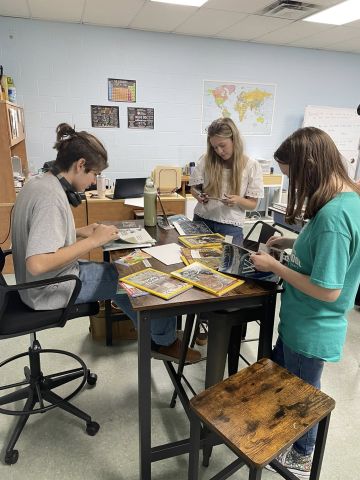
Learning-Centered Classroom
•    Persuade – “follow me”
•    Relationship based
•    Student is the priority (progress, growth, support)
•    Results matter
•    Learning to grow as a whole person
•    Teach children
•    Individuals matter
•    Relaxed atmosphere
•    Routine is a tool
•    Flexible
•    Teacher adjusts to meet the child’s needs
•    Connection
•    “I see you and hear you”
•    Order is sacrificed to save the child

What type of classroom do you have? At The Edison School, we create learning-centered classrooms. 
 

Recent Posts

5/5/26 - By Jon Wilson
4/20/26 - By Jon Wilson
3/24/26 - By Jon Wilson
3/9/26 - By Jon Wilson
2/25/26 - By Jon Wilson

Tag Cloud

communication connection connections core values dignity Edison education excellence Kindness lead learner-centered Martin Luther King mission model relationships respect why

Archives